



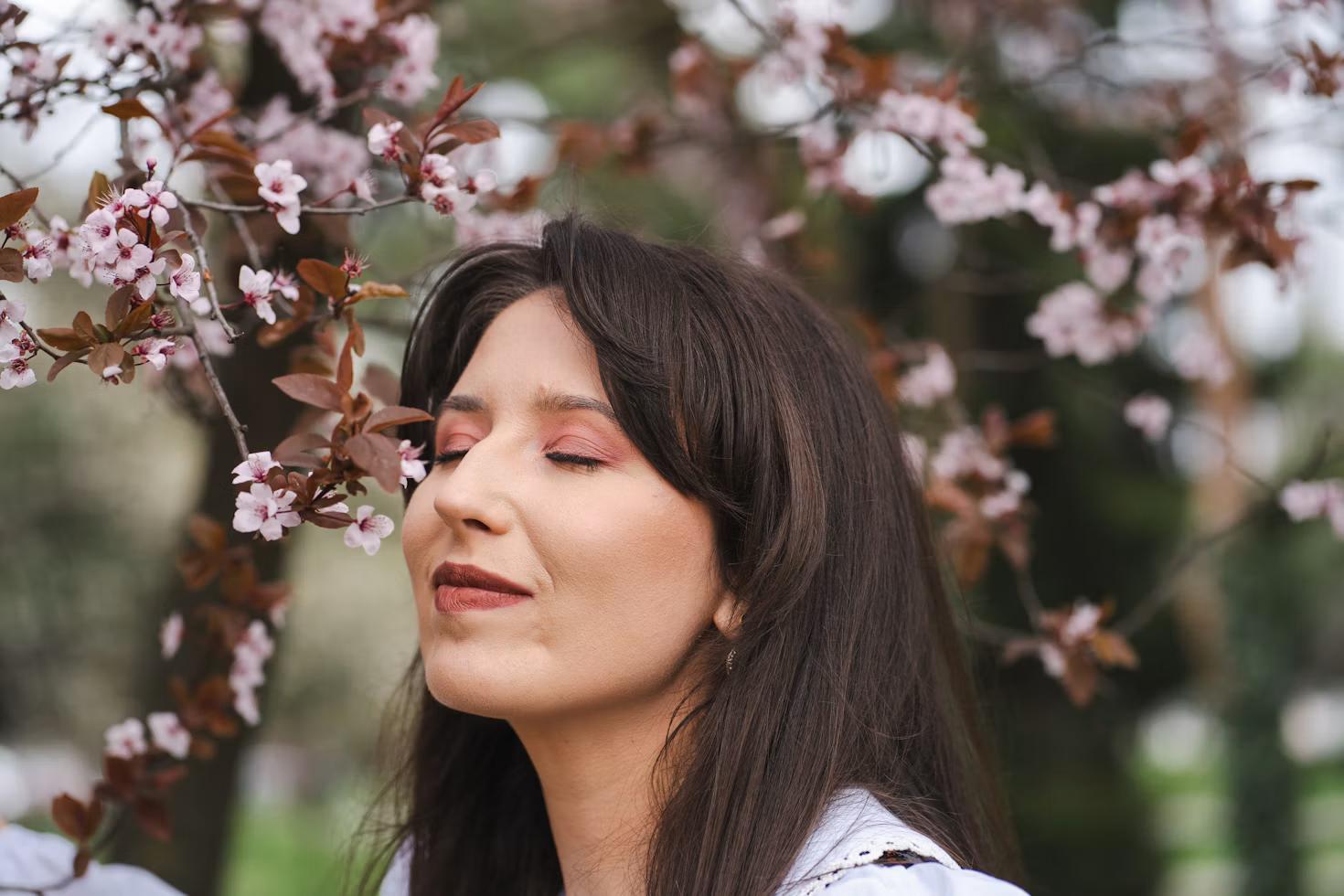
True beauty begins within. Your worth is not measured by your appearance, possessions, or social status, but by the character you develop, the choices you make, and the spirit you carry.
The world often encourages us to focus on how we look, what we wear, and how others see us. It can make us feel that beauty depends on perfect hair, fashionable clothes, expensive accessories, or constant approval. There is nothing wrong with taking care of your appearance, but outward beauty should never become the measure of your value.
Inner beauty is the part of you that remains when the attention fades and no one is watching. It is reflected in your kindness, honesty, patience, humility, and the way you treat people. It is the quiet confidence that comes from knowing who you are, rather than relying on what you own or how others respond to you.
The Bible encourages us to develop this deeper kind of beauty. It reminds us that character and faith have lasting value, while outward appearances and material things are temporary. When we nurture what is good within us, our lives begin to reflect a beauty that goes far beyond the mirror.
Beauty That Comes from Within
In 1 Peter, believers are encouraged not to make outward appearance the main focus of their beauty. The passage points instead to the character of the heart and a gentle, peaceful spirit.
1 Peter 3:3–4 (KJV): “Whose adorning let it not be that outward adorning of plaiting the hair, and of wearing of gold, or of putting on of apparel; But let it be the hidden man of the heart, in that which is not corruptible, even the ornament of a meek and quiet spirit, which is in the sight of God of great price.”
This passage does not mean that caring for your appearance is wrong. It reminds us not to let appearance become our identity or our greatest priority. A gentle and quiet spirit is not about being silent, weak, or without opinions. It is about carrying humility, peace, and strength without needing to prove yourself through outward display.
Your inner self is shaped by what you value, how you respond when life is difficult, and whether your actions reflect your beliefs. These qualities cannot be bought, copied, or worn like an outfit. They grow through everyday choices.
Your Worth Is Not in What You Own
It is easy to connect personal worth with material things. We may compare our clothes, homes, jobs, income, or lifestyle with those of other people. Over time, this comparison can make us feel that we are never enough. But possessions and status cannot tell the full story of who a person is.
Separating your identity from what you own does not mean that material things have no purpose. It means remembering that they are not the foundation of your worth. A job title can change. Money can come and go. Trends become outdated. Your character, however, is revealed through the way you live and the choices you make.
When you stop using external things to measure yourself, you create room for contentment. You can enjoy what you have without being controlled by the need to have more. You can appreciate someone else’s success without feeling that it takes anything away from your own.
A Beauty That Lasts
Proverbs 31 describes a woman whose value is not based on charm or physical appearance, but on her reverence for God. The verse reminds us to look beyond what is immediately visible.
Proverbs 31:30 (KJV): “Favour is deceitful, and beauty is vain: but a woman that feareth the LORD, she shall be praised.”
Physical beauty changes with time, and charm can sometimes create an impression that does not reflect a person’s true character. Reverence for God, however, shapes the way we live. It encourages us to act with compassion, honesty, wisdom, and respect.
This is the kind of beauty that can be seen in ordinary moments: choosing kindness when you are frustrated, speaking truthfully when it would be easier to hide something, showing patience with someone who needs understanding, and doing what is right even when no one is there to praise you.
Let Your Choices Reflect Your Character
The Bible also connects modesty and beauty with good character and good deeds. In 1 Timothy, the focus is not on displaying wealth or drawing attention through appearance, but on living in a way that reflects faith.
1 Timothy 2:9–10 (KJV): “In like manner also, that women adorn themselves in modest apparel, with shamefacedness and sobriety; not with broided hair, or gold, or pearls, or costly array; But (which becometh women professing godliness) with good works.”
The deeper principle is that what we do matters more than what we use to impress others. Our choices should reflect consideration, dignity, and care for the people around us. Good works do not have to be grand or public. They can be simple acts of service, encouragement, generosity, and responsibility.
When your outward choices and inner values support one another, you begin to live with greater honesty. You no longer have to create an image to gain acceptance. You can focus on becoming a person whose actions reflect what they believe.
Look Beyond the Surface
Sometimes we become so focused on the mirror that we forget to pay attention to the person looking back at us. We may spend hours worrying about small details of our appearance while neglecting our peace, relationships, spiritual life, or emotional well-being.
Taking care of your body and appearance can be a healthy form of self-respect. The problem begins when it turns into constant comparison, pressure, or dissatisfaction. If your confidence depends entirely on looking a certain way, it can become difficult to feel at peace with yourself.
Pause and ask yourself: Am I caring for myself, or am I trying to prove my worth? Am I satisfied with the person I am becoming when no one is watching? These questions can help you shift your attention from appearance alone toward the qualities that give your life meaning.
Put It Into Practice
Here are a few ways to nurture inner beauty in your everyday life:
- Choose kindness, even when you are having a difficult day.
- Build your confidence around your values and character rather than other people’s approval.
- Practice gratitude for what you have instead of constantly comparing your life with someone else’s.
- Take care of your appearance in a healthy way, without allowing it to define your identity.
- Make time for prayer, Scripture, reflection, and spiritual growth.
- Treat people with respect, including those who cannot offer you anything in return.
- Notice when social media or comparison affects your peace, and give yourself space from it.
- Let your actions reflect honesty, patience, generosity, and humility.
A helpful question to ask yourself is: “Am I giving as much attention to the person I am becoming as I give to the way I look?” You do not need to change everything at once. Begin with one choice that strengthens your character and brings you closer to the person you want to be.
A Final Thought
Inner beauty is not about rejecting your appearance or pretending that outward things do not matter. It is about putting them in their proper place. Your image may change, your possessions may come and go, and other people’s opinions may shift, but the character you build and the faith you nurture can guide you through every season.
Stay genuine. Choose kindness. Grow in wisdom. Let your life reflect the goodness you carry within. True beauty is not simply what people see when they look at you; it is also what they experience through the way you live.